
Introduction
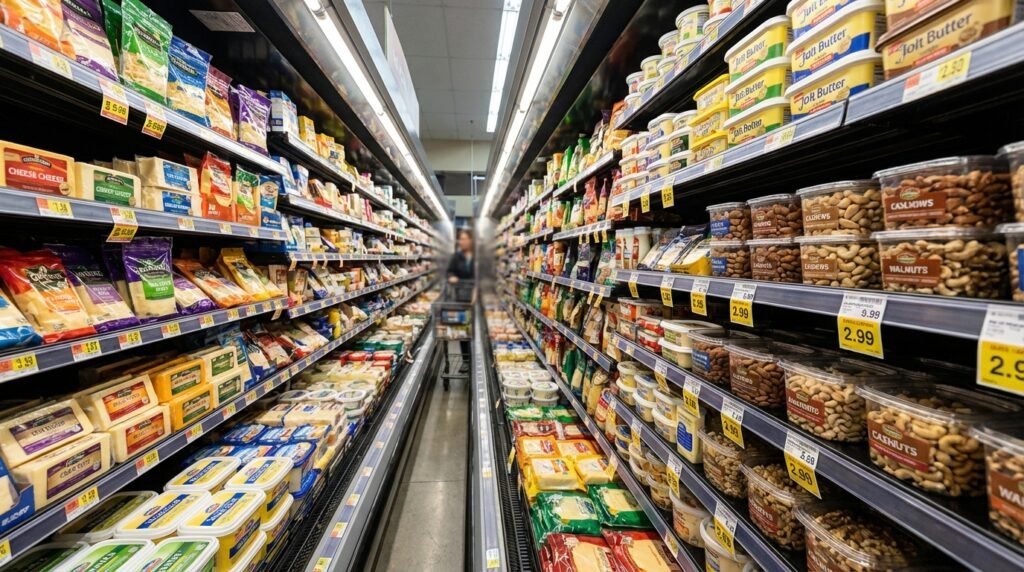
We’ve all been there: standing in a grocery aisle, holding a product and trying to decipher the nutrition facts label. These labels are a crucial tool for understanding exactly what we’re putting into our bodies, but they can often look like a jumble of numbers and complicated terms. Learning how to quickly and accurately read a nutrition label empowers you to make informed decisions and take control of your health. This guide will walk you through each section of the label, turning confusion into clarity so you can shop with confidence.
Step 1: Start with Serving Size
The first thing you should always look at on a nutrition label is the serving size and the servings per container. All the information on the label – calories, fat, carbs, etc., is based on a single serving. It’s easy to be misled if you think the whole package is one serving when it’s actually two or three. Always check this first to understand what you’re really consuming.
Step 2: Understand the Calories
After serving size, your eyes should go to the calories. Calories are a measure of the energy you get from a single serving of the food. They are the body’s fuel. If you consume more calories than your body uses, that excess energy is stored. The number of calories per serving is the total sum of the energy provided by fats, carbohydrates, and protein.
Step 3: Analyze the “Big Three” Macros
These are the macronutrients that make up the bulk of your diet and provide most of your energy.
Fats
Not all fats are equal. The label will list total fat, but it’s important to look at the breakdown. Focus on minimizing saturated fats and avoiding trans fats (which are often listed as “partially hydrogenated oil” in the ingredients).
Carbohydrates
The total carbohydrates number includes sugars, starches, and fiber. Look at the dietary fiber content, as a high number here is generally good for digestive health. Also, pay attention to added sugars, which are a major concern in many processed foods.
Protein
Protein is essential for building and repairing tissues. The number listed for protein is a key indicator of how filling and satiating the food will be.
Step 4: Check the Vitamins and Minerals
The bottom section of the label lists key vitamins and minerals. The percentages are based on a Daily Value (DV), which is a general recommendation for a 2,000-calorie diet. A DV of 20% or more for a nutrient is considered high, while a DV of 5% or less is considered low. This section helps you quickly see if a food is a good source of important nutrients like calcium, iron, and potassium.
Step 5: The Final Clue: The Ingredients List
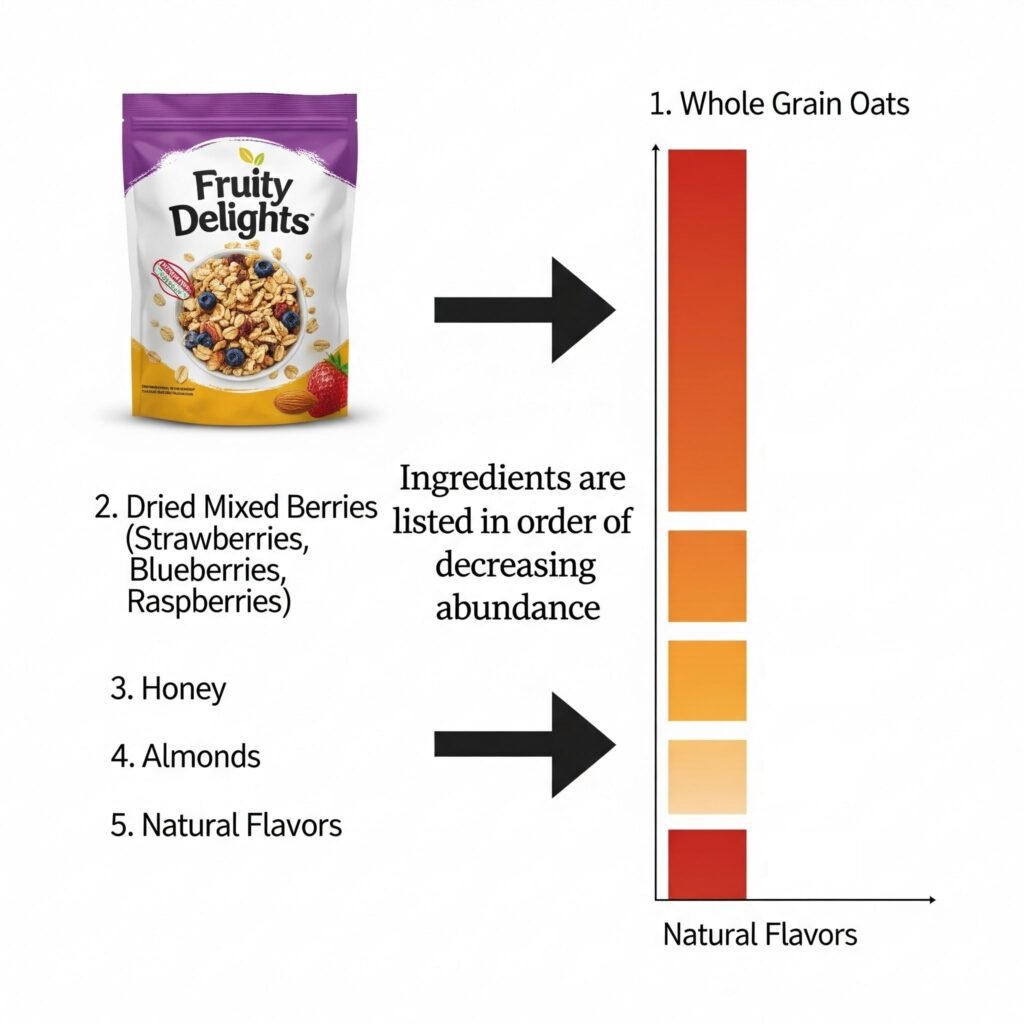
The ingredients list is perhaps the most valuable part of the label. Ingredients are listed in descending order by weight. This means the first few ingredients are the most abundant in the product. If sugar, salt, or unhealthy oils are among the first three ingredients, it’s a good sign that the product is highly processed and should be consumed sparingly.
Conclusion
Learning to read a nutrition facts label is a simple skill with a powerful impact. It’s the key to moving from blindly consuming what’s in a package to making mindful, informed choices. By taking a moment to check the serving size, calories, and key ingredients, you can make healthier decisions for yourself and your family. It’s a small act that puts you in control of your journey toward better health and wellness.