Introduction
You may have noticed that the price of a loaf of bread, a liter of fuel, or a movie ticket is much higher today than it was ten years ago. This isn’t just a coincidence; it’s a result of a fundamental economic force called inflation. While it sounds complicated, inflation is simply the rate at which the general level of prices for goods and services is rising.
The Purchasing Power Problem
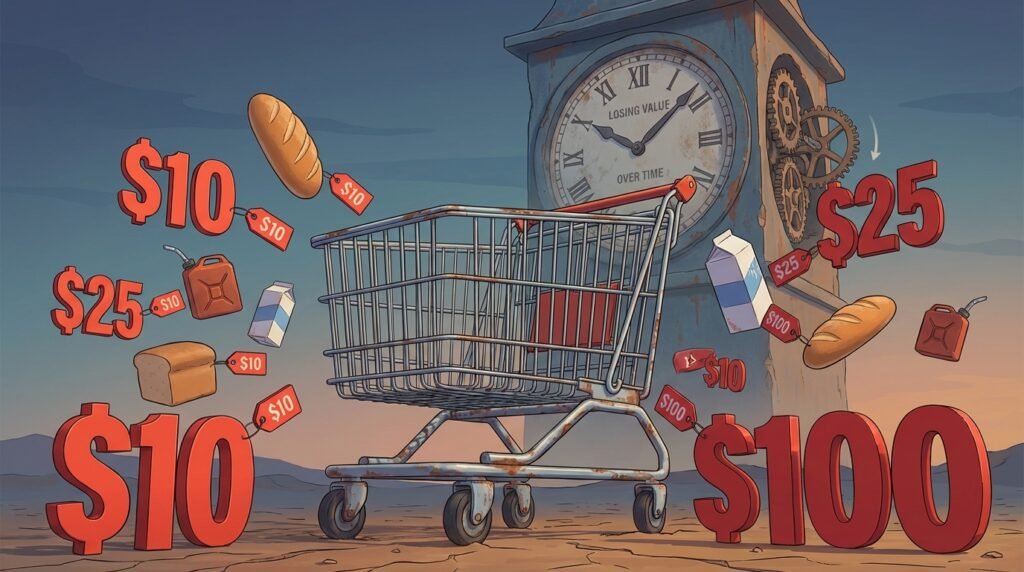
The most important thing to understand about inflation is “purchasing power.” If you have $10 today, inflation means that in the future, that same $10 will buy fewer things than it does now. Essentially, your money loses value over time. Think of it like a slow leak in a balloon; as the air escapes, the balloon gets smaller.
What Causes Inflation?
Economists generally point to two main drivers:
- Demand-Pull Inflation: This happens when people have more money to spend and want to buy more things than companies can produce. When demand is high but supply is low, businesses raise their prices.
- Cost-Push Inflation: This occurs when the cost of producing goods goes up. If the price of raw materials (like oil or electricity) or labor increases, companies pass those extra costs on to you by raising their prices.
Is Inflation Always Bad?
Most people think of inflation as a negative thing because it makes life more expensive. However, most economists believe that a small, predictable amount of inflation (usually around 2% per year) is actually healthy. It encourages people to spend or invest their money now rather than hoarding it, which keeps the economy moving.
How to Protect Yourself
Because inflation shrinks the value of cash sitting in a bank account, many people look for ways to “beat” it. This is why people invest in assets that historically grow faster than inflation, such as the stock market, real estate, or gold.
Conclusion
Inflation is a constant force in our modern economy. While we can’t stop it, understanding how it works helps us make better financial decisions. By planning for rising costs and investing wisely, you can ensure that your hard-earned money maintains its value for years to come.