Introduction
Electric Vehicles (EVs) are no longer a futuristic concept; they are becoming a common sight on our roads. While they might look like traditional cars from the outside, what happens under the hood is entirely different. By swapping out gasoline for electricity, these vehicles are changing the way we think about transportation and energy.
The Main Components
A traditional car relies on an Internal Combustion Engine (ICE), which creates mini-explosions using fuel. An EV, however, is much simpler.
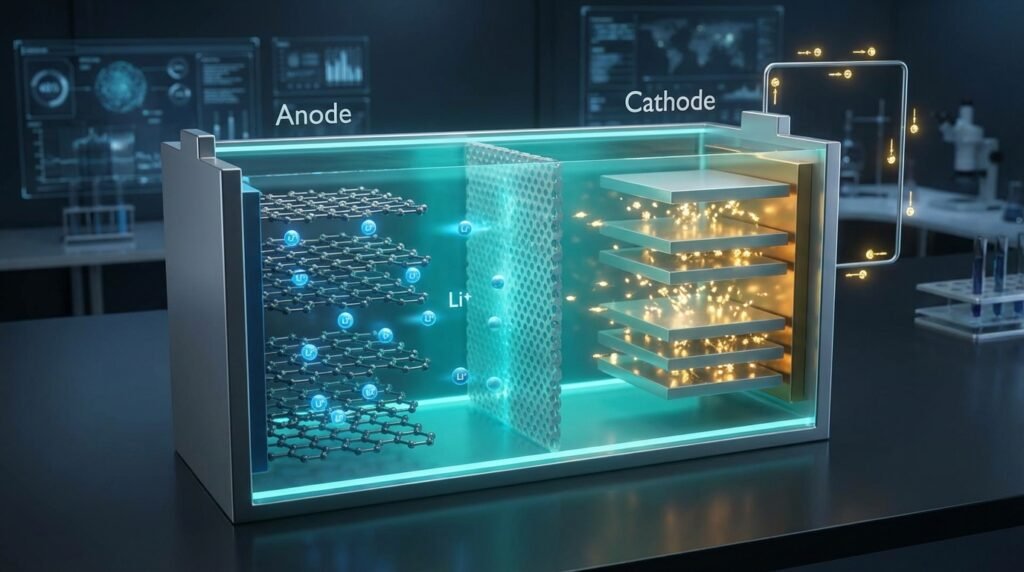
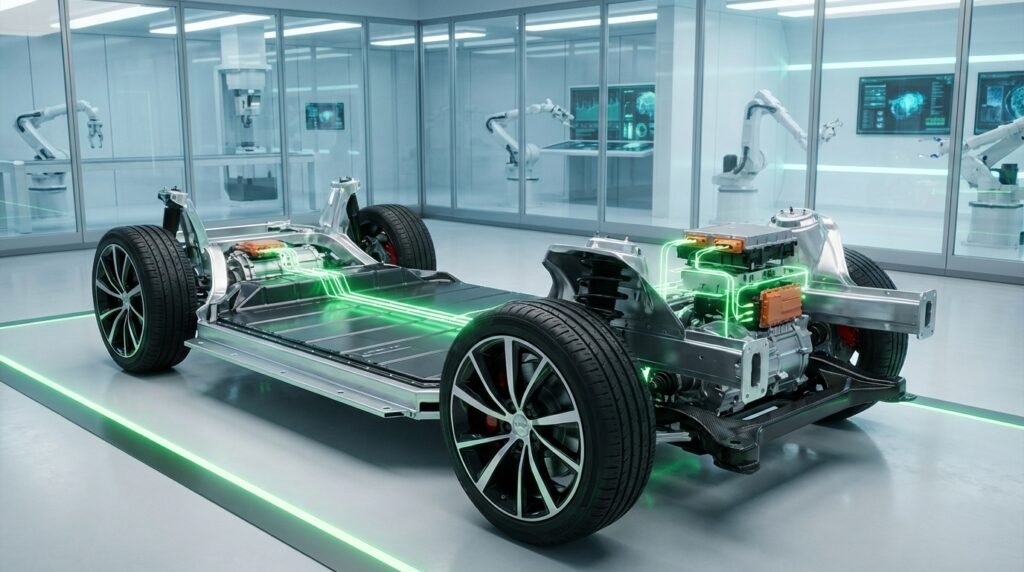
- The Battery Pack: Usually located at the bottom of the car (creating a low center of gravity), this stores the electricity needed to power the vehicle.
- The Electric Motor: Unlike a gas engine with hundreds of moving parts, an electric motor uses magnets and electricity to create rotation, which turns the wheels.
- The Inverter: This acts as the “brain.” It converts the stored electricity from the battery into the type of power the motor needs and controls the speed and torque.
The Secret Weapon: Regenerative Braking
One of the coolest features of an EV is that it can “refuel” while you drive. When you lift your foot off the accelerator or hit the brakes, the motor runs in reverse. Instead of using power to turn the wheels, the wheels turn the motor, acting as a generator that sends electricity back into the battery.
Why the Switch?
- Instant Torque: Electric motors provide full power the moment you step on the pedal, resulting in very quick acceleration.
- Less Maintenance: There are no oil changes, spark plugs, or timing belts to replace.
- Zero Emissions: EVs produce no tailpipe pollutants, helping to improve air quality in busy cities.
Conclusion
The transition to electric vehicles is a shift toward efficiency and simplicity. As battery technology improves and charging stations become more common, the electric motor is set to become the standard for the next generation of drivers.