
Introduction
As digital currencies like Bitcoin and Ethereum become more popular, many people are asking the same question: “Where do I actually keep it?” Unlike physical cash that sits in a leather wallet or a bank account, cryptocurrency doesn’t exist in any physical form. To manage it, you need a Cryptocurrency Wallet.
It’s Not a Purse, It’s a Keychain
The most important thing to understand is that a crypto wallet does not actually “store” your coins. Your coins live on the blockchain (the digital ledger). The wallet is actually a tool that stores your Private Keys, the digital passwords that give you the right to move or spend your cryptocurrency. If you lose these keys, you lose access to your money forever.
Public vs. Private Keys
Think of your wallet like a mailbox:
- Public Key (The Address): This is like your home address. You can give this to anyone so they can send you money. It is safe to share.
- Private Key (The Actual Key): This is the key that opens the mailbox. You must never show this to anyone, as anyone who has it can take everything inside.
Types of Wallets
There are two main categories of wallets, depending on how they are connected to the internet:
- Hot Wallets (Software): These are apps on your phone or programs on your computer. They are very convenient for frequent trading or buying things, but because they are connected to the internet, they are more vulnerable to hackers.
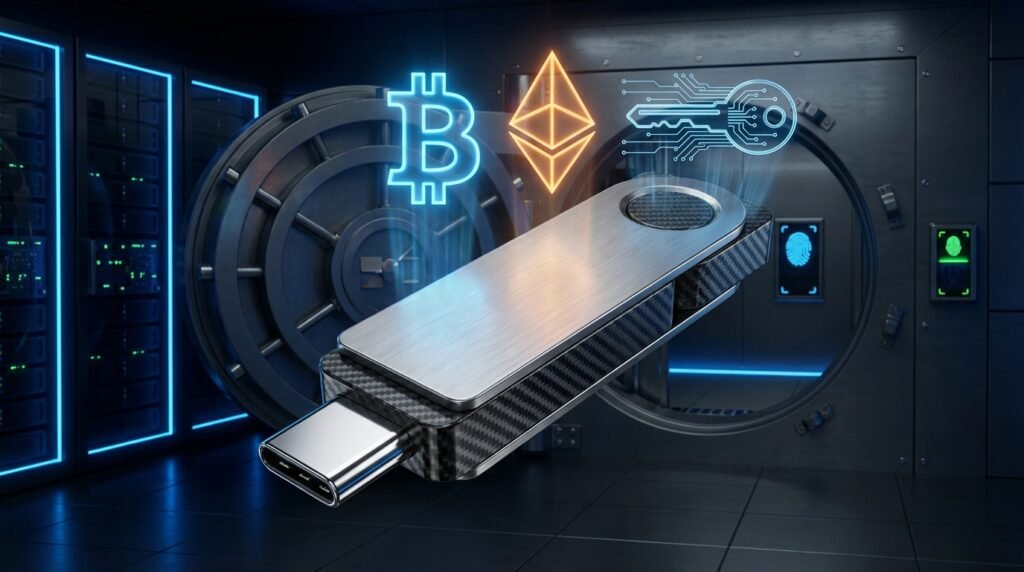
- Cold Wallets (Hardware): These are physical devices (often looking like a USB stick) that keep your keys completely offline. Because they aren’t connected to the internet, they are the most secure way to store large amounts of crypto for a long time.
The Seed Phrase: Your Emergency Backup
When you set up a wallet, you are given a Seed Phrase (usually 12 to 24 random words). This is the master recovery code. If your phone breaks or you lose your hardware wallet, you can type these words into a new device to get your money back.
Conclusion
In the world of cryptocurrency, you are your own bank. This gives you total control, but it also means you are responsible for your own security. By understanding how keys and wallets work, you can explore the world of digital finance with confidence and safety.