Introduction
Whenever someone mentions “Blockchain,” the conversation almost always turns to Bitcoin or cryptocurrency. However, blockchain is much more than just a digital currency system. It is a revolutionary way of recording and verifying information that could change everything from how we vote to how we track the food we eat.
What is a Blockchain?
Think of a blockchain as a digital ledger, similar to a record book used by a shopkeeper to track sales. However, unlike a physical book held by one person, this ledger is shared across a huge network of computers.
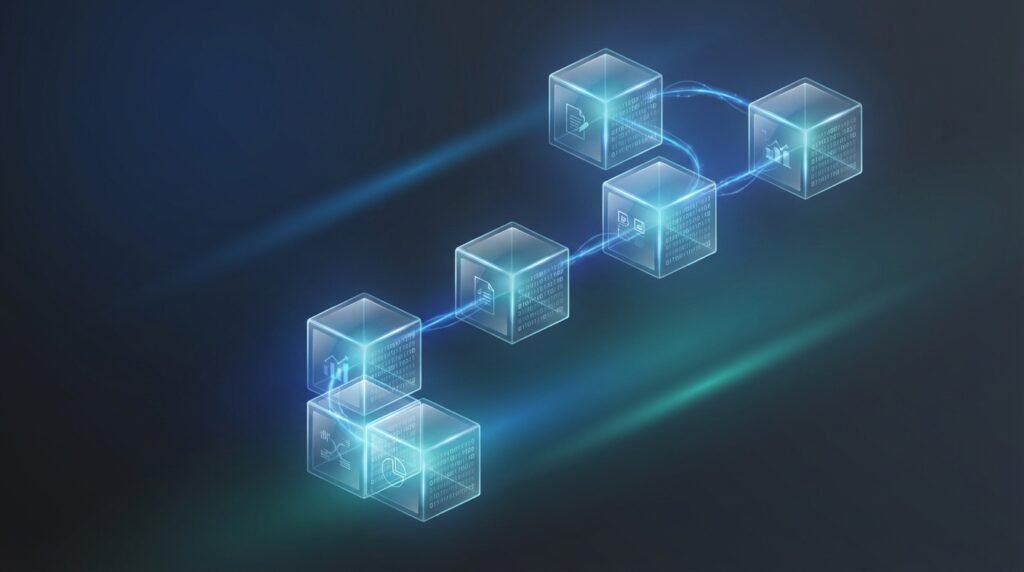
The name comes from how the data is stored:
- Blocks: Each “block” contains a list of transactions or data.
- Chain: Once a block is full, it is “chained” to the previous block using a complex mathematical code, creating a chronological timeline.
Why is it Special?
The power of blockchain lies in three main features:
- Decentralization: No single person, company, or government owns it. The data is stored on thousands of computers simultaneously.
- Immutability: Once data is written into a block and added to the chain, it is nearly impossible to change. To cheat the system, you would have to hack every single computer in the network at once.
- Transparency: Everyone on the network can see the transactions, making it very difficult for anyone to hide suspicious activity.
Real-World Uses Beyond Money
- Supply Chains: Companies use it to track a product from the factory to your doorstep, ensuring it is authentic.
- Healthcare: Doctors can securely share patient records without risking a data breach.
- Smart Contracts: These are digital agreements that automatically execute when conditions are met, removing the need for “middle-men” like lawyers.
Conclusion
While it started as the foundation for Bitcoin, blockchain technology is becoming a fundamental tool for trust in the digital age. By removing the need for intermediaries and providing a record that cannot be erased, it is making our digital world more transparent and secure.